
Warmer floors in winter
Insulation under the floor raises surface temperatures by several degrees, so tiles and timber feel less icy underfoot. Rooms heat up faster and retain warmth longer, reducing the need for constant heating.
Heidelberg
Underfloor insulation fitted under suspended timber floors in Heidelberg stops cold air rising through floorboards and cuts winter heat loss. Expert Insulation Melbourne installs batts and foil between joists in the subfloor to warm your home from the ground up.
Share your details and Expert Insulation Melbourne will contact you about Underfloor Insulation in Heidelberg.
Heidelberg’s older weatherboard and brick veneer homes often have suspended timber floors with no insulation. Cold air moves freely under the house and up through gaps in the floorboards, making rooms feel chilly and forcing heaters to work harder. Underfloor insulation blocks this airflow, lifting floor temperatures and reducing energy use.
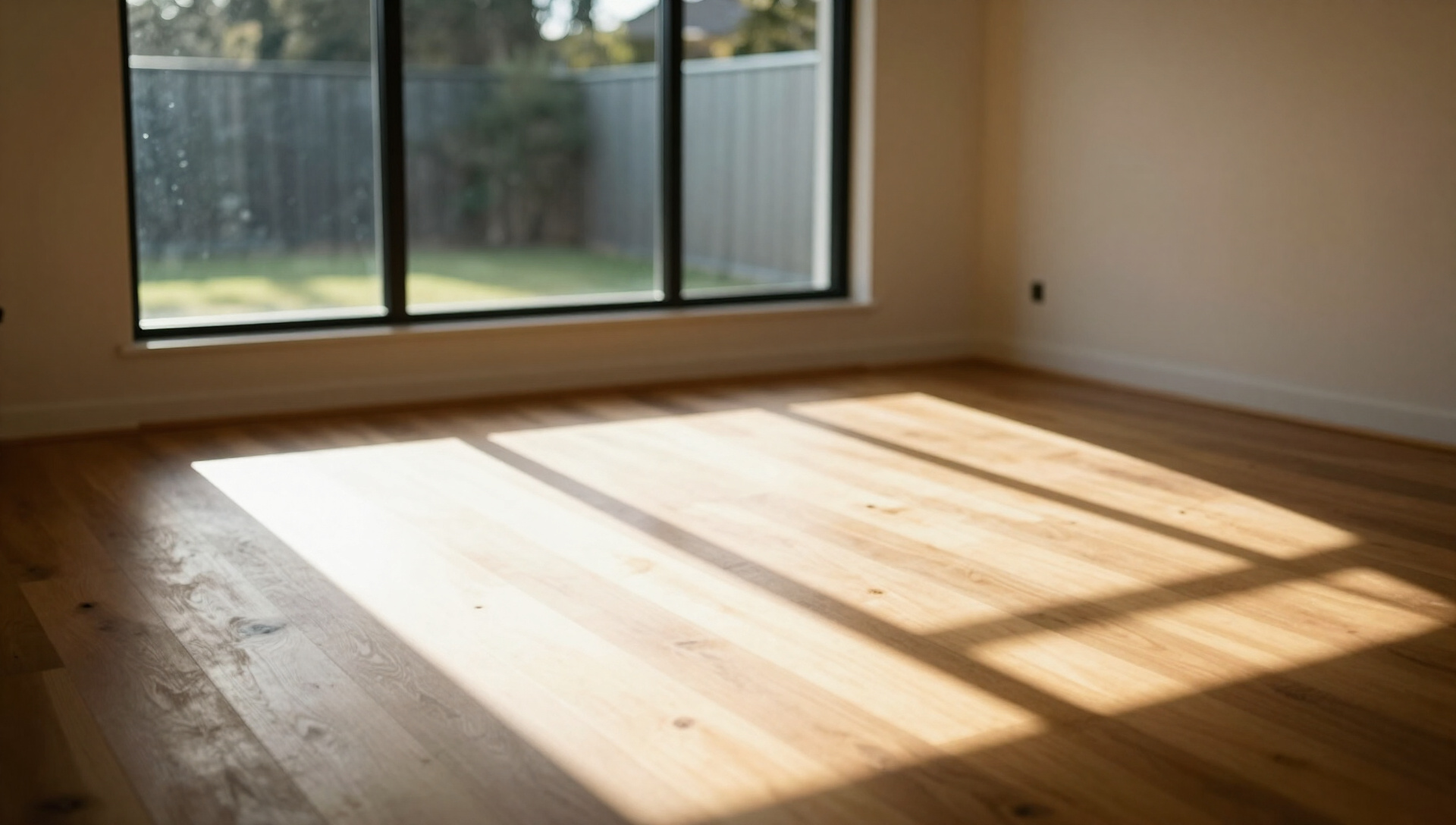
Heidelberg’s mix of older weatherboards and postwar brick homes often sit on stumps with exposed subfloors. Without insulation, cold air rises through the floor, making living areas uncomfortable and increasing heating costs. Installing underfloor batts or foil creates a thermal barrier that keeps heat in and draughts out.
Insulation under the floor raises surface temperatures by several degrees, so tiles and timber feel less icy underfoot. Rooms heat up faster and retain warmth longer, reducing the need for constant heating.
By stopping cold air infiltration, your heater runs less often to maintain a comfortable temperature. Homeowners typically notice a drop in energy use within the first winter after installation.
Gaps between floorboards and around skirting let cold air in. Underfloor insulation blocks this airflow, making the home feel more sealed and comfortable without affecting required ventilation.
Many Heidelberg homes were built before underfloor insulation was standard. Adding it now brings modern thermal performance to older properties, evening out temperatures between rooms.
A well-insulated subfloor reduces temperature differences that can lead to condensation on joists and bearers. This helps protect timber from moisture damage over time.
Even with low crawl space, reflective foil can be installed to provide a thermal break. Batts require more height but deliver higher R-values where space allows.
Installing underfloor insulation starts with a site check to confirm access, joist spacing and the condition of the subfloor. The process is straightforward but requires working in confined spaces under the house.
We assess the subfloor for clearance, joist layout and any obstacles like plumbing or wiring. If old insulation is present and may contain asbestos, work stops until a qualified assessor inspects it.
The area under the floor is cleared of debris and dust. Any gaps in the subfloor that could let pests in are noted and addressed before insulation goes in.
Bulk insulation batts are friction-fitted between joists, or reflective foil is stapled to the underside of the floor with an air gap. Batts are cut to size to avoid compression, which reduces their R-value.
All edges are secured and any remaining gaps around pipes or cables are sealed. The subfloor is left clean, with no loose material that could attract rodents.
Heidelberg’s established homes, from interwar weatherboards to postwar brick veneer, often have suspended timber floors that benefit from underfloor insulation. The suburb’s cooler winters make this upgrade especially effective at improving comfort and reducing heating costs. Nearby Ivanhoe and Rosanna share similar housing stock, and the same principles apply.
Stop cold floors and draughts in Heidelberg with underfloor insulation installed between joists in the subfloor.
Homeowners in Heidelberg often ask about access, R-values and whether their house is suitable. Here are the key details to help you decide.
Underfloor insulation in Heidelberg addresses the common issue of cold floors in older homes with suspended timber flooring. Without a thermal barrier under the floor, cold air rises through gaps in the floorboards, making living areas feel chilly and increasing the workload on heating systems. Installing batts or reflective foil between the joists in the subfloor blocks this airflow, lifting floor temperatures and improving overall comfort.
Heidelberg’s climate, with cold winters and hot summers, means homes without underfloor insulation can suffer from significant heat loss through the floor. Bulk insulation like glasswool or polyester batts trap still air to resist heat flow, while reflective foil reflects radiant heat. The choice depends on the available crawl space and the desired R-value, with typical underfloor ratings ranging from R1.5 to R2.5.
The installation process involves accessing the subfloor, clearing debris, and fitting insulation between the joists. In Heidelberg, many homes have sufficient clearance for batts, but low subfloors may require foil. Costs are influenced by floor area, access difficulty, and whether old insulation needs removal. A well-insulated subfloor reduces draughts, lowers heating bills, and protects timber from moisture-related damage.
Reduce cold floors and heating costs in your Heidelberg home with underfloor insulation. Call Expert Insulation Melbourne on 0399695249 or email info@expertinsulationmelbourne. com. au to discuss your property.